
Where does
Homeopathy
Come from?
WHERE HOMEOPATHY BEGAN
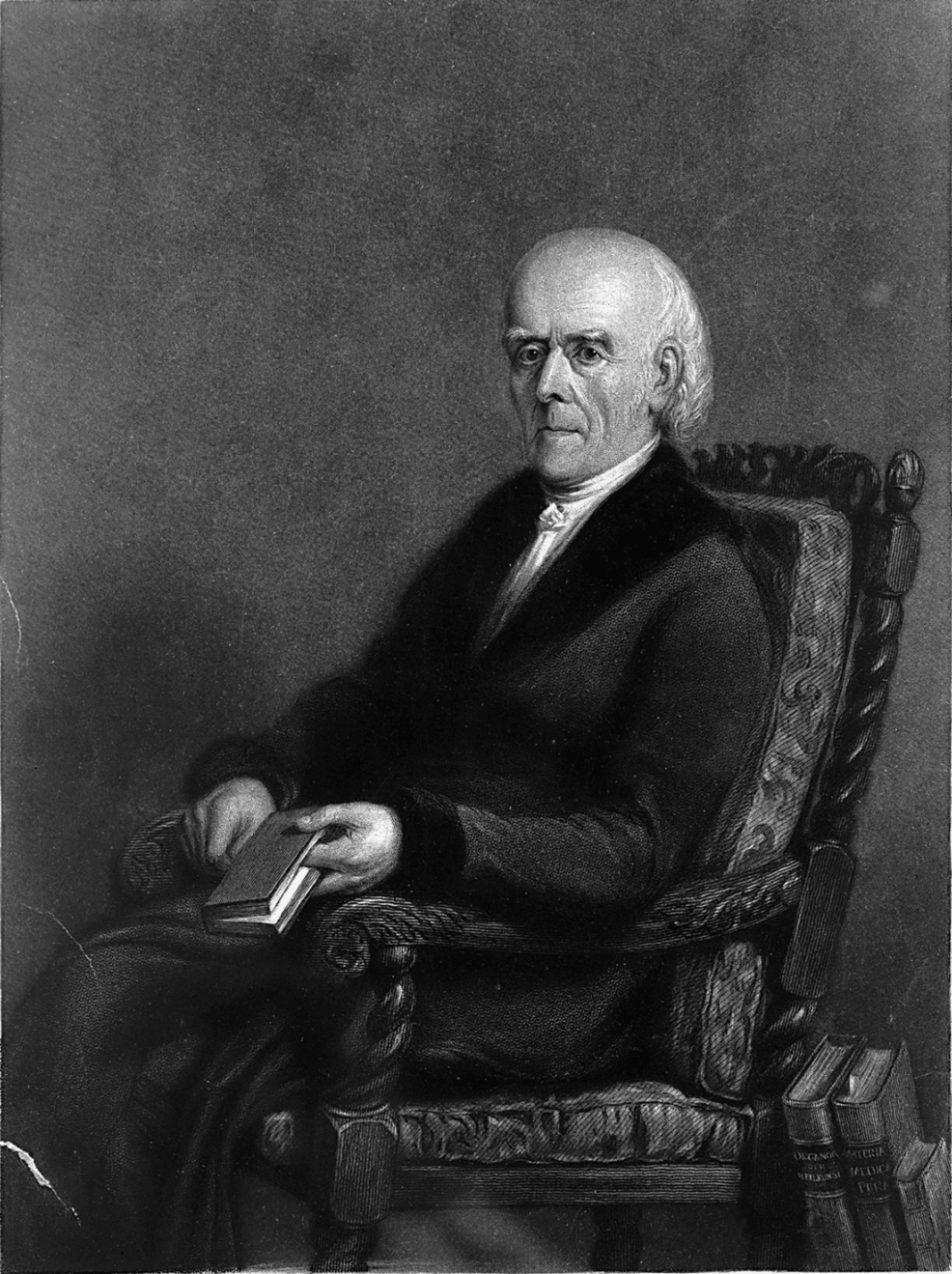
Homeopathy was started by a German physician, Samuel Hahnemann (1755-1843).
He became dissatisfied with the medical practices of his time which involved toxic substances like arsenic and lead, or purging with emetics, laxatives or bleeding.
Hence, he abandoned his profession to become a medical translator until one day he discovered a document on the use of Chinchona bark for the treatment of Malaria and decided he would try the substance to see what symptoms might occur. When he manifested the symptoms of Malaria, he realised this proved an ancient concept which could be traced back to the time of Hippocrates (460-377BC) – the notion that like cures like.
He continued to experiment with other herbal remedies on family members and volunteers to prove that a substance which in a healthy person produces symptoms might also be useful in treating a sick patient who presents with the same symptom
picture. Hence ‘like cures like’ became a central principle of Hahnemann’s homeopathy. (homeo meaning like and pathos meaning suffering).
Everyday examples of substances known to provoke symptoms of a similar disease are: coffee – which is known to deprive some people of sleep if drunk late at night, is used to make the remedy Coffea which might be useful for some cases of
insomnia. Red onion which may cause sneezing, tears and a runny nose is used to make the remedy Alium Cepa which might be useful for a cold in which the eyes run like a tap.


Hence rather than prescribing on the name of the disease, homeopaths make prescriptions based on an individual’s experience of an illness. A detailed picture of symptoms and the circumstances around the onset of an illness is created to find the remedy which most closely matches a patient’s symptoms, thus it is individualised medicine.
Hahnemann spent several years experimenting on himself and a group of volunteers testing a wide range of natural substances, such as plants, minerals, and metals. To avoid harmful side effects, he diluted each medicine to the extent that it would still produce a response, without arousing undesired side effects. Hence this became another principle of homeopathy: the minimum dose.
The body’s natural healing potential can be seen in the way that fractures only need alignment to facilitate a natural healing process. The minimum dose is aimed at stimulating our natural healing energy, or the vital force - as Hahnemann described it.
Hahnemann further discovered that he could enhance the effectiveness of diluted remedies by vigorous shaking. This principle is known as succession, combined with dilution, creates the differing potency of remedies. This extends the range of use of remedies from minor short term to more traumatic illnesses such as grief, shock or chronic diseases.